
Playing games and mental wellness are overlapping more than ever, particularly in high-stakes strategy games https://turbomines.eu.com/. Turbo Mines, with its concentration on risk and pattern forecasting, asks players for keen attention, composure, and clear thinking. A lot of who play the game seriously now use structured mindfulness techniques to perform better. The objective isn’t to triumph in every round. It’s to create a mental state where smart choices can happen, devoid of panic or reckless impulse.
The Mental Challenges of Strategic Gameplay
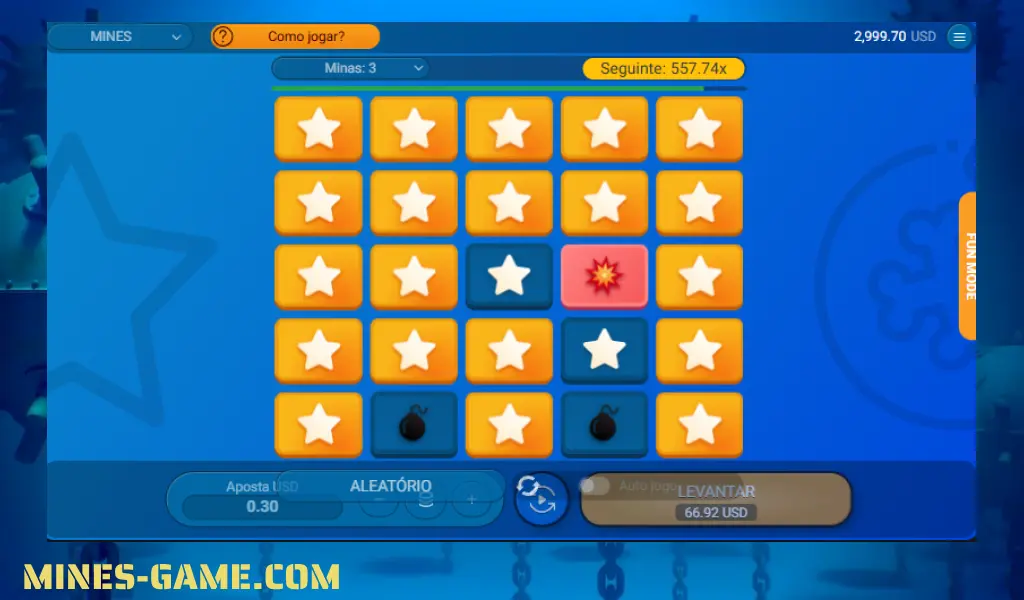
Why does attentiveness belong here? Start by examining what Turbo Mines requires of your brain. Each round shows a grid hiding multipliers and mines. You tap to expose multipliers and grow a cashout value, but landing on a mine resets everything to zero. You’re stuck in a loop of evaluating risk, calculating odds, and weighing rewards. The pressure grows with each safe click, because the increasing potential loss becomes greater. This stress can trigger cognitive traps like loss aversion or the gambler’s fallacy. It can flood your system with stress hormones, making decisions based on hope or fear instead of the numbers on the screen.
Post-Session Analysis and Evaluation
Consciousness doesn’t end when you exit the game. A systematic review converts your experience into real insight. Instead of just examining your closing balance, consider how you gamed. Ask yourself questions. When did I feel most impulsive? Did I stick to my established loss limit or profit goal? What did stress appear as in my body? This kind of evaluative, non-blaming assessment turns every game into useful data. You learn about your own patterns, which helps you refine your tactics and build emotional fortitude. It turns the journey about sustained growth, not just the last round’s score.
Exploring Attentiveness within a Play Setting
![Mines Gambling Game | Play for Real Money in Legit Online Casino [2024 ]](https://minescasinogame.com/wp-content/uploads/2024/05/Jogo-Mines-1024x538-1.webp)
From a strategic perspective, mindfulness is not simply unwinding. This is the cultivated practice of observing one’s ideas, feelings, and physiological signs continuously, without judgment. Inside Turbo Mines, this involves observing the temptation to make another move following a big win with the same cool attention you’d give to the sinking feeling after a loss. It serves as a meta-cognitive tool. That tiny window it creates between what happens and how you react is everything. It allows your premeditated strategy, rather than an impulsive emotion, to determine your next action.
Building Non-Clinging to Results
Perhaps the hardest mindfulness skill for games of chance and skill is letting go. This isn’t saying you stop trying. It signifies you intentionally let go of clinging to a single outcome. In Turbo Mines, each click stands alone. The outcome remains unknown until the square turns. Mindfulness trains players to direct their concentration into the decision process itself—analyzing the board, weighing the probabilities—while recognizing the outcome is beyond their control. This technique minimizes “rage,” that furious state after a loss that leads to reckless chasing. Moreover, it keeps a lucky win from ballooning into harmful overconfidence.
In-play Methods for Emotional Regulation

Feeling waves are a part of the game. Mindfulness provides you with an ground when they strike. Employ the “one-breath reset.” After a big event—a huge multiplier or a destructive explosion—take just one full, slow puff before you make anything else. That quick break stops the chain reaction of raw emotion. Another useful method is “noting.” Quietly mark the sensation as it arises: “frustration,” “thrill,” “greed.” Just naming it creates distance. It enables you to observe the state without having to act on it. Afterward you can come back to the game from a steadier place.
Before the Session Grounding and Goal Setting
A conscious session commences prior to you even open the game. A short, simple routine moves your mind aside from day-to-day clutter and to a state of prepared focus. Players often start by defining a objective, process-oriented intention. Something like “I’ll pay attention to when I feel risk-averse today” works. Steer clear of outcome-based goals like “I have to win 50 pounds.” Next, a rapid grounding exercise helps. Try controlled breathing or a quick scan of your body from head to toe. This calms your nervous system, lowers background anxiety, and gets your brain for the intense concentration ahead.
- Find a quiet spot and sit at ease for two to three minutes.
- Set a timer and pay attention solely to the in-and-out of your breath.
- If your mind drifts to the game or your to-do list, lightly guide it back to your breathing.
- Finally, voice your defined, process-focused intention for the gameplay ahead.
Incorporating Conscious attention during Extended Gameplay
For enduring advantage, conscious awareness should become a routine, not merely a method you attempt sometimes. Think of focus as a muscle that demands consistent training, both at the table and beyond the game. Some players use a simple log to link their attention levels with their game outcomes. Some add five minutes of daily meditation to boost their overall awareness, that then extends to the gaming table. The final aim is for that mindful break to turn into a natural part of your decision routine. Gameplay becomes a conscious choice, never a compulsion. That is how you develop a balanced, enduring bond with the pastime over the long term.
Applying mindfulness for Turbo Mines provides players a method to find mental clarity and calmness. The techniques move the attention from random outcomes to the quality of the choices you choose. By preparing yourself before you commence, managing emotions during the game, and reviewing after, you establish a structured approach based on mindfulness. This aids curb impulsive moves that damage your game, and it encourages a more intentional, balanced way of playing as a whole.